If you spend time with Chinese friends or scroll through Chinese social media, you may hear someone say:
“别再灌我鸡汤了!”
Bié zài guàn wǒ jī tāng le!
→ “Stop force-feeding me chicken soup!”
But don’t worry — no one is actually pouring soup into anyone’s mouth.
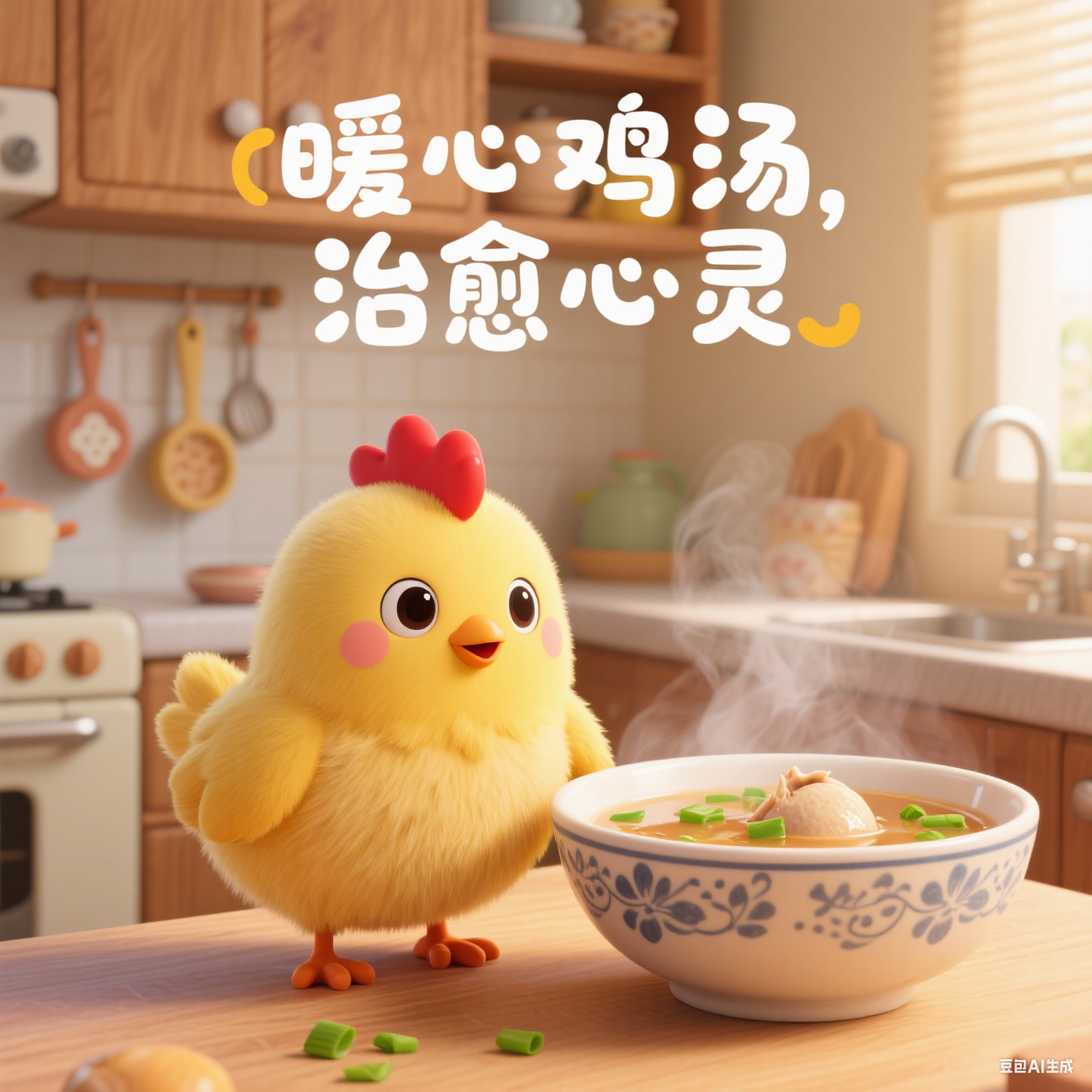
In Chinese internet slang, “chicken soup” has nothing to do with food. Instead, it refers to a whole category of motivational writing.
Let’s break it down.
🍲 What Is 鸡汤文 (jī tāng wén)?
In Chinese, 鸡汤 (chicken soup) is short for:
心灵鸡汤 (xīnlíng jītāng)
→ “Chicken Soup for the Soul”
It refers to inspirational quotes, motivational essays, and uplifting social media posts meant to comfort, encourage, or heal your emotions — just like warm soup.
Typical 鸡汤文 might include:
- Life advice
- Positive messages
- Emotional encouragement
- Personal stories
- “You can do it!”-style quotes
People often read 鸡汤文 when they feel stressed, lost, or need a boost of positivity.
📚 Where Did 鸡汤文 Come From?
The concept originated from the famous American book series “Chicken Soup for the Soul.”
These books were translated into Chinese in the 1990s under the title:
《心灵鸡汤》 (xīnlíng jītāng)
→ “Chicken Soup for the Soul”
The metaphor worked perfectly in Chinese culture because chicken soup is associated with warmth, healing, and comfort, especially when you’re tired or emotionally “sick.”
Over time, the term was shortened to simply 鸡汤, and its meaning expanded to describe any kind of motivational or overly positive writing.
🧃 Why Do Some People Dislike Too Much “Chicken Soup”?
While many appreciate the encouragement, too much 鸡汤 can feel unrealistic or preachy.
Examples include:
- “You’ll succeed as long as you keep smiling.”
- “Happiness is a choice.”
- “Your future self will thank you for working hard today.”
If these motivational lines feel too fake, overly sweet, or manipulative, people start rolling their eyes and say:
“别给我灌鸡汤!” (Don’t give me chicken soup!)
☠️ What Is 毒鸡汤 (dú jī tāng)? — “Toxic Chicken Soup”
As a reaction to overly positive messages, Chinese netizens created a new slang term:
毒鸡汤 (dú jī tāng)
→ “Toxic chicken soup”
This refers to motivational quotes that sound inspirational at first, but actually deliver a harsh, cynical, or brutally realistic truth.
Common examples of 毒鸡汤:
- “努力不一定成功,但不努力一定很轻松。”
Hard work doesn’t guarantee success, but not working hard is definitely relaxing. - “条条大路通罗马,可是有些人生在罗马。”
All roads lead to Rome, but some people are born in Rome. - “可能不会好起来,但你要习惯。”
It may not get better, but you’ll learn to accept it.
毒鸡汤 is humorous, sarcastic, and often painfully realistic.
Sharing them shows you are 清醒 (qīngxǐng) — awake, aware, and not fooled by fake positivity.
⭐ Final Thoughts: Chicken Soup or Toxic Chicken Soup — Which One Are You?
Whether you prefer warm, uplifting 鸡汤文 or enjoy the dark humor of 毒鸡汤, both expressions are a fascinating part of modern Chinese culture and internet language.
Understanding these phrases helps you better interpret social media posts, conversations, and jokes among Chinese speakers.
Want to understand more Chinese cultural expressions and internet slang?
At SN Mandarin, we help learners go beyond textbooks and connect with real everyday Chinese.
👉 Start learning Mandarin today and explore the language behind modern Chinese culture!